Incorporating Art and Design in Math Lessons: Unleashing Creativity
Posted On: 25 Jul, 2023
Share Link:

Mathematics and art may seem like two distinct subjects, but when combined, they have the power to unlock creativity and deepen students' understanding of mathematical concepts. By incorporating art and design into math lessons, educators can engage students in hands-on activities that foster a deeper appreciation for mathematics while stimulating their creative thinking skills. In this blog post, we will explore the benefits of incorporating art and design in math lessons and provide real-life classroom examples and templates to inspire educators.
Benefits of Incorporating Art and Design in Math Lessons:
- Enhances Understanding: Art and design provide visual and tangible representations that can help students grasp abstract mathematical concepts. By connecting mathematical ideas with visual representations, students can develop a deeper understanding of concepts such as geometry, symmetry, and patterns.
- Promotes Creativity: Integrating art and design into math lessons encourages students to think creatively and express their ideas in unique ways. By allowing students to explore different artistic mediums and techniques, they can develop their own approaches to problem-solving, fostering a sense of ownership and personal expression.
- Engages Multiple Learning Styles: Incorporating art and design caters to different learning styles, allowing students to engage with math through visual, kinesthetic, and tactile experiences. This approach can benefit students who may struggle with traditional math instruction and provide alternative pathways for understanding and mastery.
- Encourages Critical Thinking: Artistic activities in math lessons often require students to analyze, evaluate, and make decisions. By incorporating open-ended tasks that involve design and problem-solving, students are prompted to think critically and develop logical reasoning skills.
Real-Life Classroom Examples:
- Geometric Art Collages: In a geometry lesson, students can create collages using cut-out shapes and patterns. Provide students with different shapes, such as triangles, squares, and circles, and ask them to create unique designs by combining and arranging the shapes. This activity allows students to explore geometric properties, spatial relationships, and symmetry.
- Math-Inspired Tessellations: Introduce tessellations to students and explain how they are created using repeated geometric shapes without any gaps or overlaps. Provide templates of basic shapes (e.g., triangles, hexagons) and challenge students to create their own tessellations using these shapes. Encourage them to explore patterns, rotations, and translations while maintaining the integrity of the tessellation.
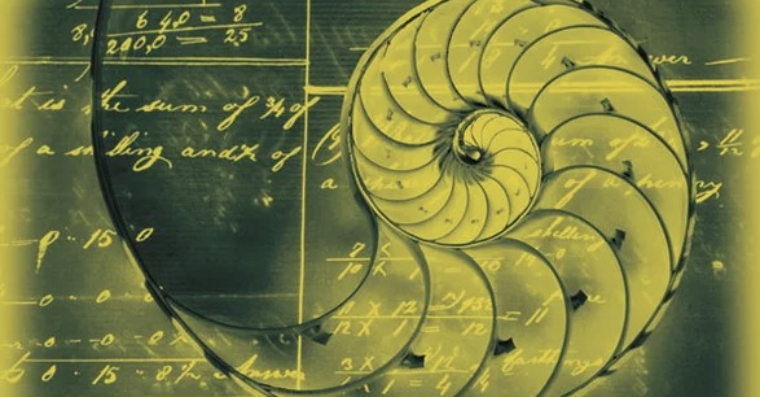
- Fibonacci Spiral Art: Teach students about the Fibonacci sequence and its appearance in nature. Ask students to create artwork inspired by the Fibonacci spiral, where they progressively draw quarter circles with increasing radii to form a spiral pattern. Students can experiment with different mediums, such as pencils, paints, or digital tools, to create visually appealing Fibonacci spiral art.
Incorporating art and design into math lessons can foster a dynamic and engaging learning environment. By tapping into students' creativity and providing opportunities for hands-on exploration, educators can make mathematics more accessible, enjoyable, and meaningful for children aged 10-16. The real-life classroom examples and templates provided in this blog post serve as a starting point to inspire educators to unleash their students' creativity while teaching mathematics. Let's embrace the power of art and design to enhance math education and nurture a lifelong appreciation for both subjects.